

The life-altering adjustment of suddenly needing to utilise a wheelchair, whether temporary or permanently, understandably elicits overwhelming emotions for someone newly injured, disabled or diagnosed with a mobility-limiting condition. As a caring family member or friend keen to offer meaningful support, know that consistent positive encouragement and practical assistance across key areas make all the difference in helping loved ones adapt both emotionally and logistically. Read on for tips on empowering wheelchair users to thrive.
Stress This Is A Transition, Not The End
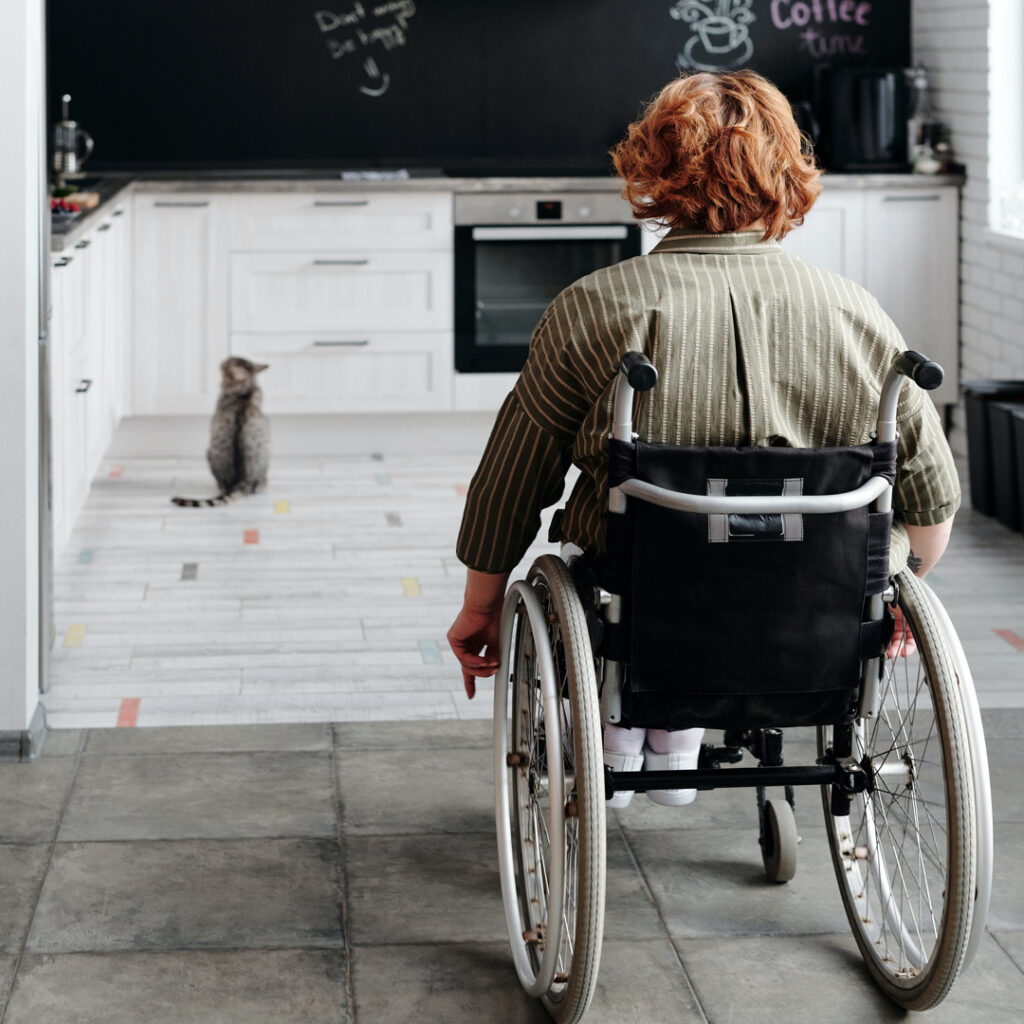
Perhaps the most vital role you can play following a loved one’s mobility crisis is emphasising that utilising a wheelchair marks a difficult yet navigable transition towards living life differently — not the end of enjoying what makes it worthwhile. You can always tell them inspiring examples of paraplegics, quadriplegics, and others in wheelchairs across many fields living active, purposeful lives overflowing with joy, but don’t forget to focus on what’s most important: them. Daily reinforcement that a fulfilling “new normal” awaits instils critical mental strength supporting their journey ahead.
Holidays Are Still An Option When You Hire A Wheelchair Accessible Vehicle
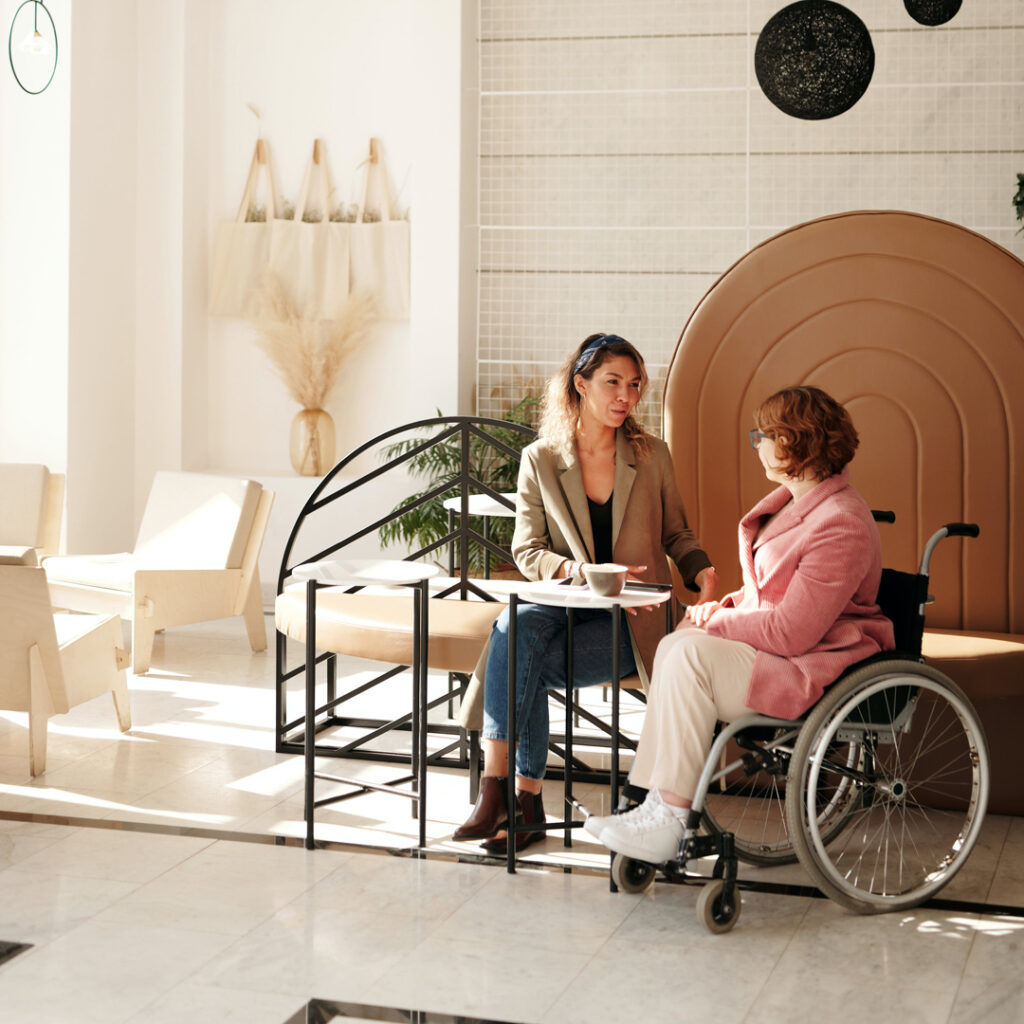
A prime hurdle newly wheelchair-reliant travellers face regarding holidays is accessible transportation availability both getting to desired destinations smoothly as well transport allowing sufficient mobility once arrive to experience activities they envision. This is where hiring or leasing wheelchair-accessible vehicles tailored specifically to accessibility needs removes the top barrier.
A wheelchair-accessible vehicle hire is absolutely a strong option, and you can find mobility cars for hire at Allied Mobility. Their dedicated rental team is there to help whether you’re looking for a small, family-sized car or a larger minibus.
Help Research Practical Resources Readily Available
Beyond boosting positive mindsets through encouragement, dedicate time investigating and lining up vital resources in your local community that smooth everyday logistics confronting new wheelchair users across areas like:
- Rehabilitative Health Services: Connect them to NHS physical, occupational, and mental health therapies essential for building strength, mobility and coping mechanisms in the early stages post-injury/diagnosis.
- Home & Vehicle Modifications: Help measure their home’s accessibility by analysing doorway widths, bathroom layouts, kitchen counters, lighting placements etcetera to determine what mobility aids and home modifications could be useful depending on needs. Research options like ramp addition, stair lift installation or ground floor bathroom retrofitting, pulling quotes to aid decisions on private and NHS-funded support available so they can regain daily independence faster. Check their vehicle’s adaptability for accessories like swivel front seats, handle spinners, and wheelchair hoists to enable driving freedom, which is vital for autonomy and morale.
- Financial Support: Help organise their eligibility applications for PIP, council tax reductions, mobility scheme car leases, Blue Badge permits, concessionary bus passes and other disability assistance programs easing constraints and obstacles to participating in community daily. Submit all required doctors’ letters promptly so approvals are facilitated quickly rather than abandoned due to frustrations over form complexity.
- Peer Support Networks: Search online forums, clubs and in-person support groups frequented by newly injured people learning to adjust along with experienced wheelchair users further into their journeys who can share wisdom on practically accessing life’s joys from their chair, not despite it. Context from those who’ve overcome helps in shifting mindsets.
The reality is that tomorrow’s horizons still overflow with promise regardless of today’s mobility difficulties. By pouring consistent love and understanding into the transition process while boldly removing obstacles to brighter days ahead, you help newly wheelchair-reliant loved ones gain perspective and hope during turbulent times.


