

When you’re trying to conceive, it’s natural to wonder if your diet could make a difference. While no single food can guarantee pregnancy, certain nutrients and eating habits can help support reproductive health, balance hormones, and create the best possible environment for conception. Below, an IVF clinic in London explores the foods and nutrients that research suggests may help improve fertility in both women and men.
1. Focus on a Fertility-Friendly Diet
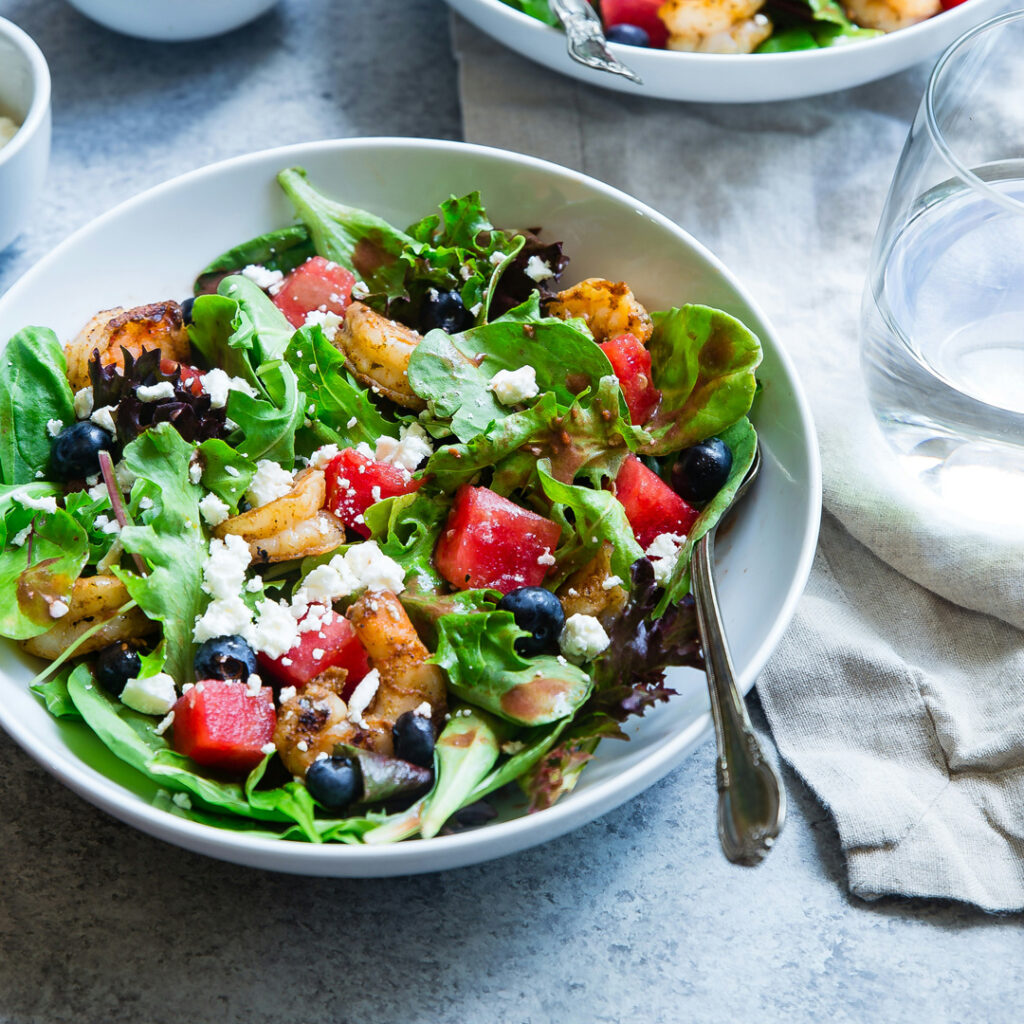
A healthy fertility diet isn’t about strict rules—it’s about nourishing your body with balanced, nutrient-dense foods. The Mediterranean-style diet is often recommended because it’s rich in whole foods, healthy fats, lean proteins, and antioxidants.
2. Key Nutrients for Fertility
Folic Acid
- Why it matters: Supports early foetal development and reduces the risk of neural tube defects.
- Sources: Leafy greens, lentils, chickpeas, fortified cereals, citrus fruits.
Iron
- Why it matters: Low iron levels can affect ovulation.
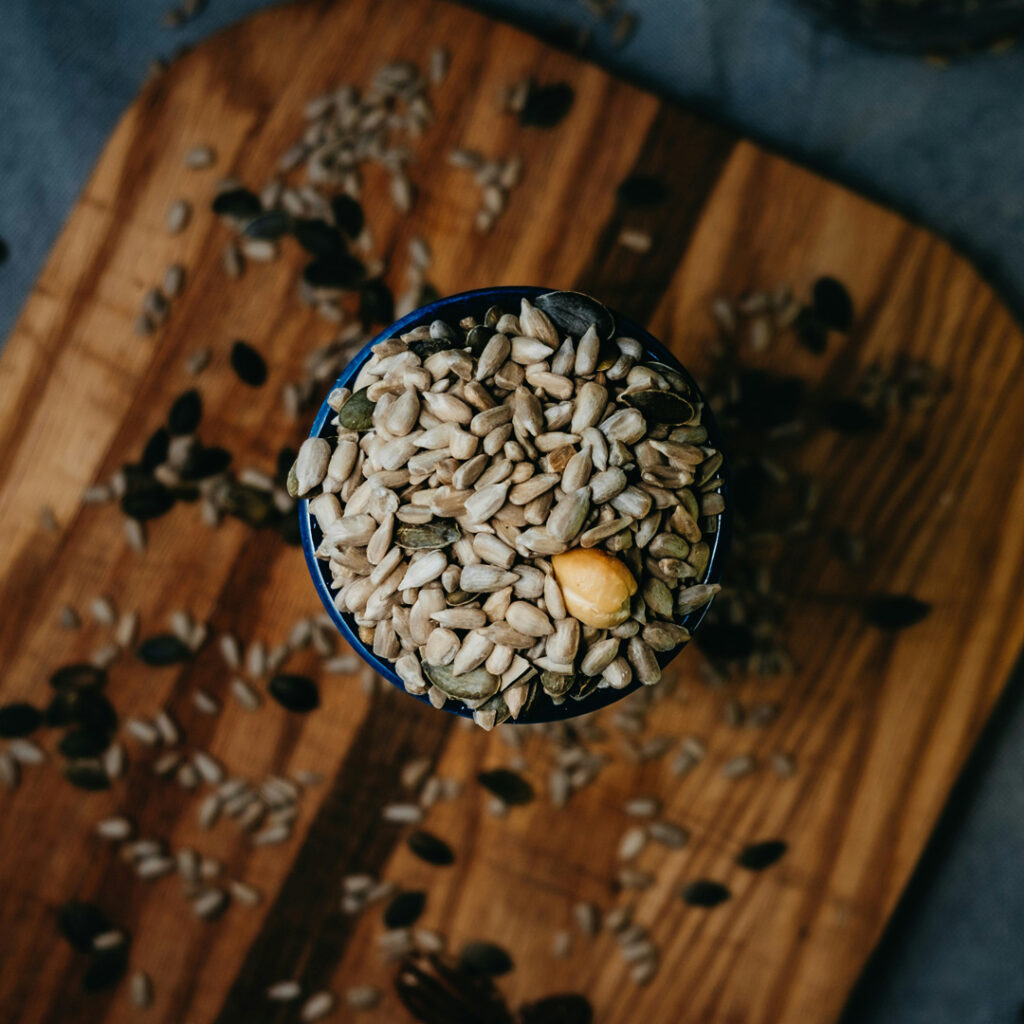
- Sources: Lean red meat, spinach, pumpkin seeds, lentils, fortified grains.
Omega-3 Fatty Acids
- Why it matters: Support hormone regulation and egg quality in women, and sperm quality in men.
- Sources: Salmon, sardines, chia seeds, flaxseeds, walnuts.
Antioxidants (Vitamin C, E, Beta-Carotene, Selenium, Zinc)
- Why they matter: Protect eggs and sperm from oxidative stress.
- Sources: Berries, nuts, seeds, sweet potatoes, citrus fruits, bell peppers.
Protein (Both Plant and Animal Sources)
- Why it matters: Helps regulate ovulation and supports overall reproductive function.
- Sources: Lean meats, eggs, beans, lentils, tofu, Greek yogurt.
3. Foods to Include Regularly
- Whole grains: Brown rice, quinoa, oats—help maintain stable blood sugar levels.
- Colourful fruits and vegetables: The more variety, the better the nutrient range.
- Healthy fats: Olive oil, avocado, nuts, and seeds—support hormone production.
- High-quality dairy (in moderation): Full-fat milk, yogurt, or cheese may be linked to better ovulatory health in some studies.
4. Foods to Limit or Avoid
- Highly processed foods: Often high in unhealthy fats, sugar, and additives.
- Sugary drinks: Can lead to insulin resistance, which may affect ovulation.
- Trans fats: Found in fried foods, margarine, and some baked goods—linked to poorer fertility outcomes.
- Excessive caffeine: Limit to about 1–2 cups of coffee per day.
- Excess alcohol: Heavy drinking can disrupt hormone balance and impair sperm quality.

5. Lifestyle Factors That Complement a Fertility Diet
Nutrition is only part of the picture. To boost your chances of conception:
- Maintain a healthy weight for your body type.
- Manage stress through relaxation techniques, mindfulness, or gentle exercise.
- Stay active with regular movement.
- Quit smoking and limit alcohol.
Eating to improve fertility is about building a balanced, nutrient-rich diet that supports your reproductive system and overall health. Focus on whole foods, healthy fats, lean proteins, and plenty of plant-based nutrients—while limiting processed foods and excess sugar.
Remember, diet changes can take time to influence fertility, so aim for consistency rather than quick fixes. If you have specific health concerns, work with a healthcare provider or fertility nutritionist for tailored advice.


