
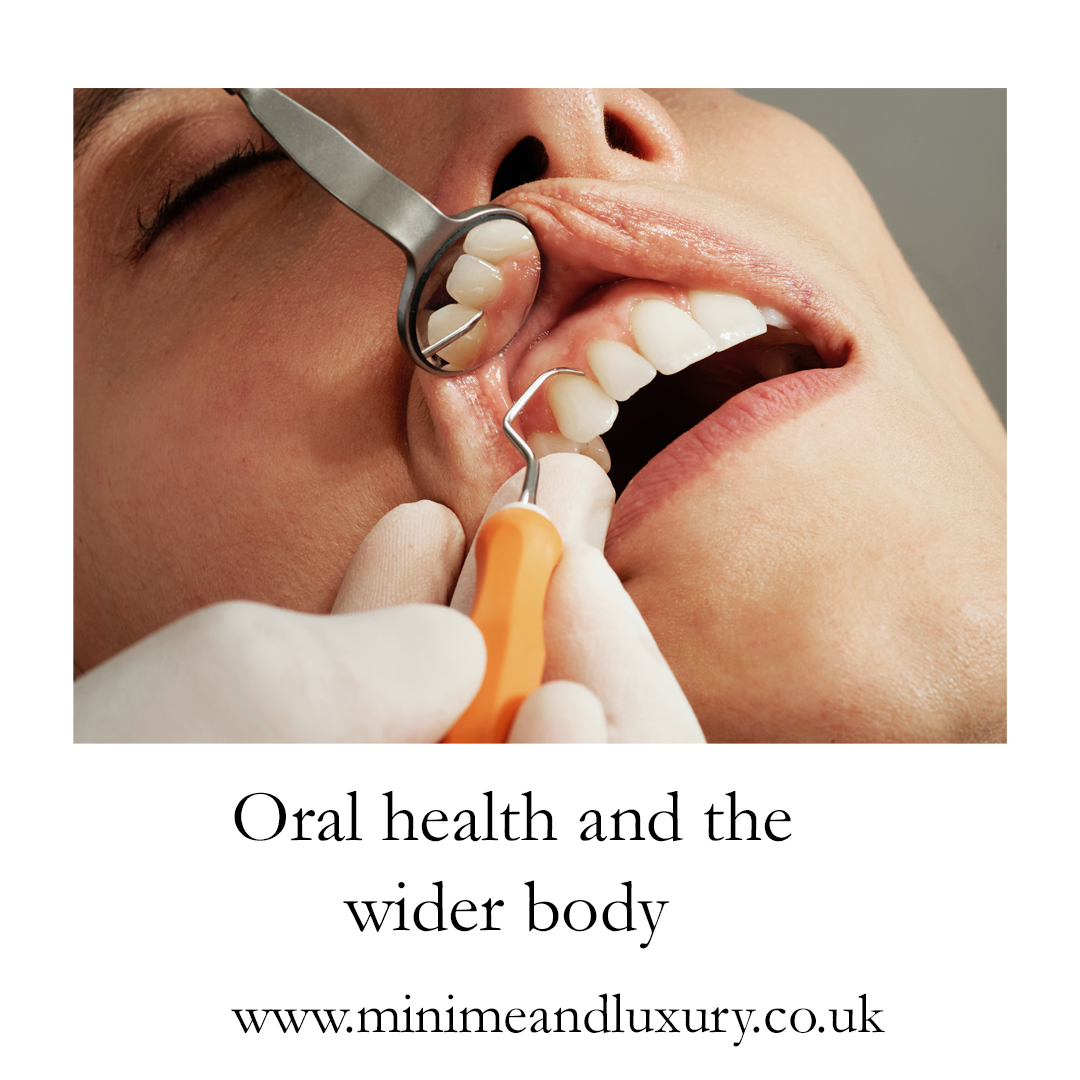
Would you think that your oral health could also affect how the rest of your body functions? No? Me neither. That is until I started to read some research. The relationship between the mouth and the wider body, which a growing body of research has shown can often interact in complex and surprising ways.
Studies have linked oral problems like gum disease (periodontitis) and tooth decay to a range of wider issues in the body – including heart disease, Alzheimer’s, obesity, and more. Whilst much of these findings are still in the preliminary phase (and so shouldn’t be overstated), these findings at the very least underline the importance of oral health to our health and happiness.

Happily, measures like chewing sugar free gum can help to reduce these risks by boosting the health of the oral biome. (In some cases, sugar free gum can even have a direct impact on wider health – such as in a 2018 Japanese study, which found chewing gum can improve the distance, speed, and heart rate of walkers). Read on for some interesting information.
Why would cardiovascular disease and poor oral health be connected?
- The bacteria that infect the gums and cause gingivitis and periodontitis also travel to blood vessels elsewhere in the body. Here they can cause the blood vessels to become inflamed and damaged; tiny blood clots could form and a heart attack and stroke may follow. Supporting this idea is the finding of remnants of oral bacteria within atherosclerotic blood vessels far from the mouth.
- Rather than the bacteria causing the problem, it’s the body’s immune response – inflammation – that sets off a cascade of vascular damage throughout the wider body.
- There may be no direct connection between gum disease and cardiovascular disease; the reason they may occur together is that there is a 3rd factor (such as smoking) that’s a risk factor for both conditions. Other potential “confounders” include poor access to healthcare and lack of exercise.
Poor oral health, mainly tooth loss, has been suggested to pose a risk factor for Alzheimer’s disease. The nature of this relationship can be explained by mastication deficit and nutritional status. Also, the influence of nutritional parameters on cognitive impairment has been documented.
The effects of gum chewing while walking on physical and physiological functions
This study examined the effects of gum chewing while walking on physical and physiological functions. In the experimental trial, participants walked at natural paces for 15 minutes while chewing two gum pellets after a one hour rest period. In the control trial, participants walked at natural paces for 15 minutes after ingesting powder containing the same ingredient, except the gum base, as the chewing gum. Heart rates, walking distances, walking speeds, steps, and energy expenditure were measured. Heart rates during walking and heart rate changes significantly increased during the gum trial compared with the control trial. Walking distance, walking speed, walking heart rate, and heart rate changes in male participants and walking heart rate and heart rate changes in female participants were significantly higher during the gum trial than the control trial.
There is a great podcast available on all the wider bodily health benefits of chewing sugar free gum featuring Dr. Henry Miller which we highly recommend listening to.
As you can see, there is a pretty argument that chewing sugar free gum is good for your general health as well as your oral health. It is a cost effective way to keep your mouth, gums and teeth healthy as well as attending regular dental check-ups.

Resources:
- Gum disease and the connection to heart disease – Harvard Health
- Studies have linked gum disease to cardiovascular disease | The Spokesman-Review
- Oral Health Status and Nutritional Habits as Predictors for Developing Alzheimer’s Disease
- The effects of gum chewing while walking on physical and physiological functions (jst.go.jp)
- CLIP: Dr. Henry Miller on Lockdowns, Anxiety, and Practical Health Tips | Consumer Choice Radio – YouTube


