

Peer pressure is something every child will face as they grow up. Whether it’s in the classroom, on the playground, or later during teenage years, the influence of friends and classmates can be powerful. While not all peer pressure is negative, helping your child develop the confidence and skills to resist unhealthy influences is essential for their wellbeing and future choices.
Understanding Peer Pressure
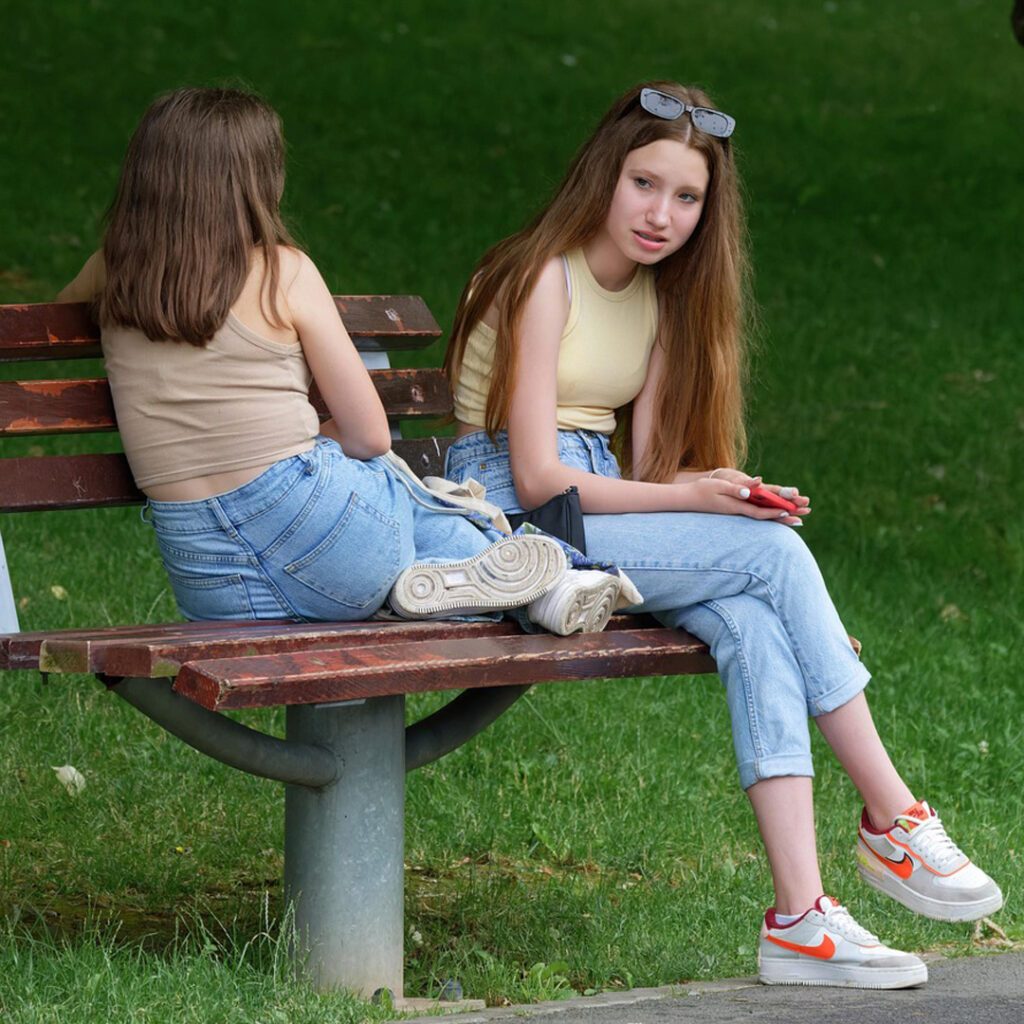
Peer pressure occurs when children feel the need to act a certain way to fit in with a group. This could involve copying behaviour, adopting particular interests, or even engaging in risky activities. This prep school in Hertfordshire advises that it’s important to explain to your child that wanting to be liked is natural, but their individuality and values are more important than simply going along with the crowd.
Building Self-Esteem
A confident child is less likely to be swayed by others. Encourage your child to recognise their strengths and celebrate their achievements, no matter how small. This might be praising their effort in schoolwork, valuing their creativity, or supporting their hobbies. When children feel good about themselves, they are more likely to stand firm in their own decisions rather than following what others do.
Encouraging Open Communication
Creating a safe environment at home where your child feels comfortable sharing their worries is vital. If they know they can talk to you without fear of judgement, they are more likely to discuss situations where they feel pressured. Ask open-ended questions about their day, listen carefully, and reassure them that it’s okay to have doubts or say “no” to friends.
Teaching Assertiveness Skills
Resisting peer pressure often comes down to having the right words and confidence to use them. Role-playing can be a helpful way to practise. For example, act out scenarios where a friend might encourage them to do something they know is wrong, and teach them simple responses such as:
- “No thanks, I don’t want to.”
- “That’s not for me.”
- “I’d rather do something else.”
These short but firm responses empower children to set boundaries without feeling they must explain themselves.
Helping Them Choose the Right Friends
The company children keep has a huge influence on their choices. Encourage your child to build friendships with peers who share similar values and treat them with respect. You can also get to know their friends by inviting them over or attending school events. Surrounding your child with positive influences reduces the likelihood of negative peer pressure taking hold.
Leading by Example
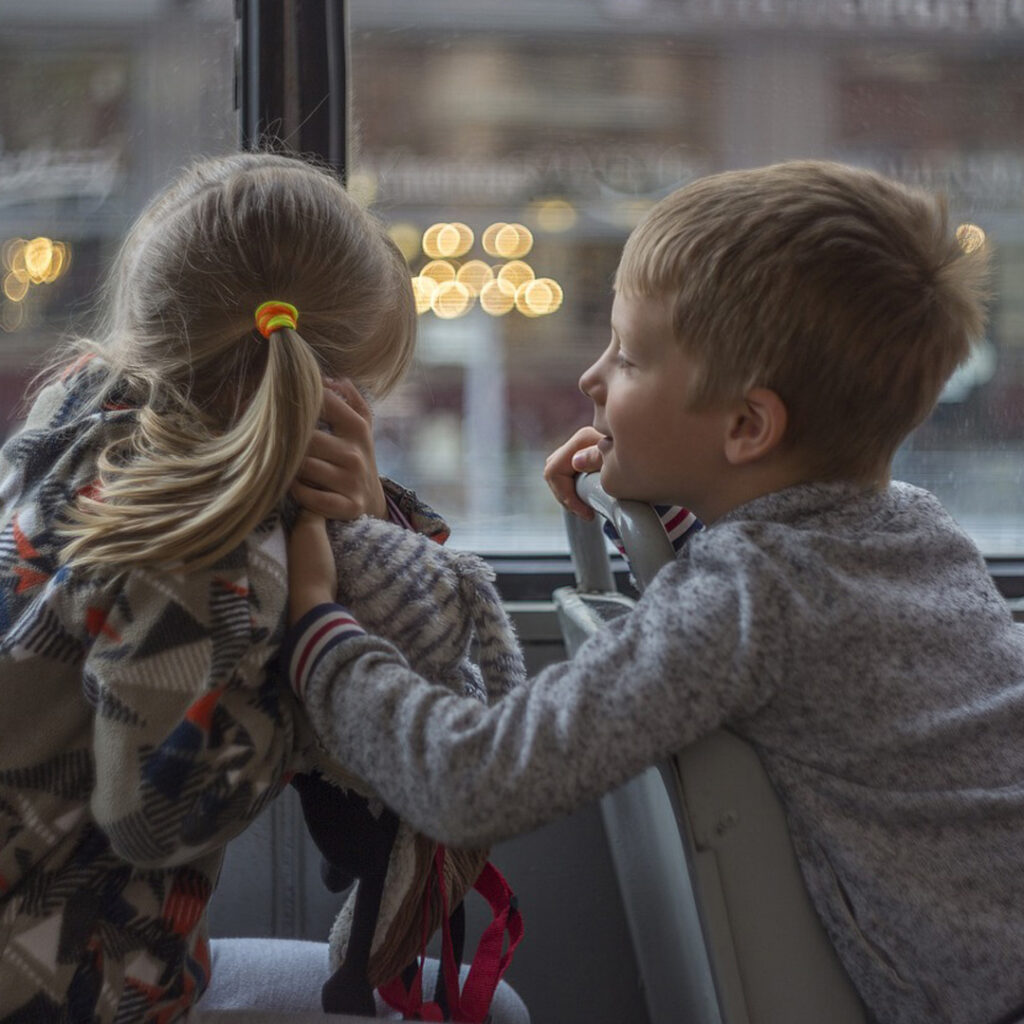
Children are keen observers, often learning more from what they see than what they are told. Show them how you stand by your own values and make independent decisions, even when faced with social pressure as an adult. Whether it’s making healthy lifestyle choices or politely declining something you don’t agree with, your behaviour will provide a powerful model.
Peer pressure is an unavoidable part of growing up, but with the right guidance, children can learn to make choices that align with their values. By boosting their self-esteem, encouraging honest conversations, teaching assertiveness, and modelling positive behaviour, you can equip your child with the resilience they need to resist negative influences and grow into confident, independent individuals.


